.jpg)
A tiny home can look picture-perfect on day one—and still struggle a few winters later if it wasn’t built for the long haul. Leaks around a window, a soft spot in the subfloor, drawers that won’t close after a few seasons of travel… the “little” problems add up fast in a small space, because every system sits closer together and works harder.
The good news? A tiny home can last 20+ years (and longer) when it’s designed and built with longevity as the priority—not as an afterthought. It’s about the right blueprint, premium materials, smart moisture management, and craftsmanship that treats every seam, fastener, and finish like it matters—because it does.
At Tiny Heirloom in Portland, OR, we’ve been part of the tiny home movement from the beginning. Over the years, we’ve seen what holds up beautifully, what fails early, and what separates a luxury tiny home that feels “new” for years from one that constantly needs patching.
Build for Longevity Before You Build for Looks
A durable tiny home doesn’t start with décor—it starts with decisions you never see once the walls go up.
Longevity is a system, not a single upgrade
In traditional construction, you can sometimes “get away with” a weak detail because the house has more redundancy and more space to isolate issues. Tiny living doesn’t give you that luxury. When your shower sits a few feet from your electrical panel, or your kitchen shares a wall with mechanical systems, it’s even more important that everything works together.
Think of longevity as a chain:
- Structure (how it carries load)
- Envelope (how it blocks water and air)
- Materials (how it ages)
- Systems (how it performs)
- Maintenance (how it stays protected)
If one link is weak, the home feels it faster.
Start With a Blueprint That’s Built to Last
It’s tempting to start a tiny home plan by chasing a “Pinterest layout.” But the homes that last decades begin with a blueprint designed around real-world forces: travel vibration, wind uplift, moisture, thermal expansion, and long-term maintenance access.
What a durability-first blueprint includes
A strong plan accounts for:
- Proper load paths (roof → walls → floor → trailer/frame)
- Shear strength for lateral forces (especially important for mobile living)
- Planned utility chases so plumbing/electrical stays protected and serviceable
- Bathroom and kitchen placement that minimizes risk (shorter plumbing runs, fewer penetrations)
At Tiny Heirloom, time-tested blueprints matter because they’re the foundation of consistent quality—refined through years of building, living, and learning what performs best.
The Foundation Matters: Trailer, Chassis, and Attachment
If your tiny home is on wheels, your “foundation” is a trailer—and a trailer is not just a platform. It’s a structural system that deals with road vibration, water exposure, and long-term stress.
Key longevity choices include:
- A trailer matched to the home’s size and intended use (stationary vs. frequent travel)
- Strong attachment methods that resist loosening over time
- Corrosion-conscious thinking (especially in wet climates)
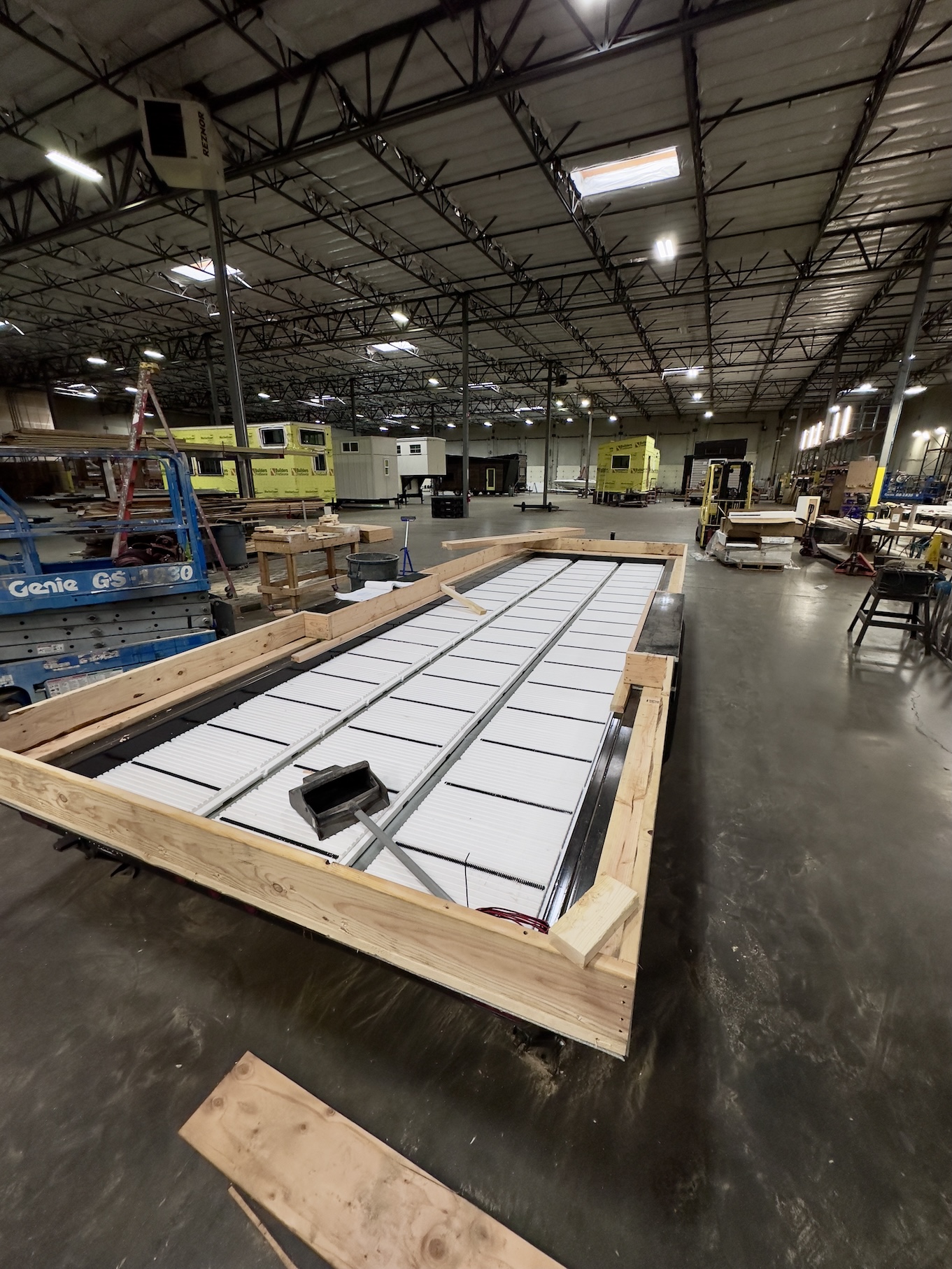
Don’t ignore the underbelly
The underside of a tiny home takes a beating: road spray, moisture, temperature swings, and debris. A long-lasting tiny home protects what’s under the floor with smart detailing and durable barriers, plus thoughtful routing of plumbing and wiring.
The Building Envelope: Where Tiny Homes Win or Lose
If there’s one area that makes the biggest difference in whether a tiny home lasts 20+ years, it’s the building envelope—your home’s defense system against water, air leaks, and temperature extremes.
Prioritize water management (because water always wins)
Long-term durability depends on layered protection:
- Roofing that sheds water efficiently
- Correct flashing around windows, doors, and roof transitions
- A weather-resistant barrier installed with care (not rushed)
- Proper sealing at penetrations (vents, exterior outlets, hose bibs, etc.)
In the Pacific Northwest and other wet climates, this is especially critical. Even small leaks can turn into hidden damage if moisture gets trapped behind finishes.
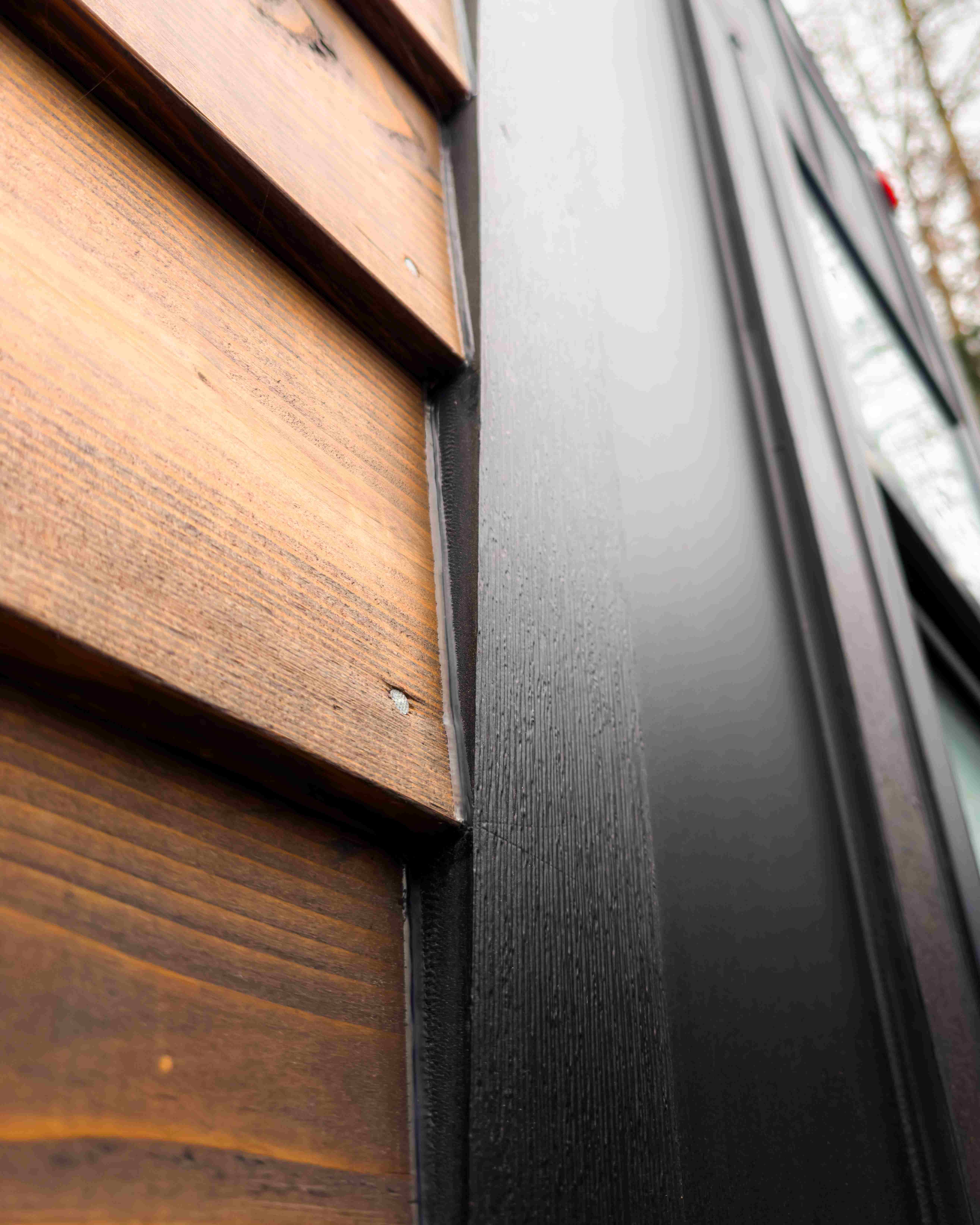
Airtight + ventilated is the sweet spot
A home that lasts isn’t just “tight.” It’s tight and properly ventilated. Airtight construction improves comfort and efficiency, but you still need controlled ventilation so humidity doesn’t linger.
In tiny living, everyday habits (cooking, showering, even breathing) can raise indoor humidity quickly. A durability-first build plans for ventilation from day one so the home stays dry, healthy, and comfortable.
Choose Premium Materials That Age Gracefully
Luxury tiny homes aren’t just about how finishes look—they’re about how they wear. In a small space, materials see more contact, more movement, and more frequent use per square foot.
Exterior materials: invest where the weather hits first
Look for claddings and trim choices that resist moisture and UV exposure, paired with proper installation. The best material in the world won’t last if it’s installed without room for movement or without correct detailing at edges and seams.
Interior materials: durability meets daily life
Inside, longevity comes from:
- Hardwearing flooring that can handle grit, water droplets, and heavy use
- Cabinetry and hardware that won’t loosen after thousands of opens/closes
- Countertops and wall finishes that resist staining and dents
And since tiny homes often prioritize sustainable housing choices, long-lasting materials can be a sustainability win: fewer replacements, less waste, and better life-cycle value.
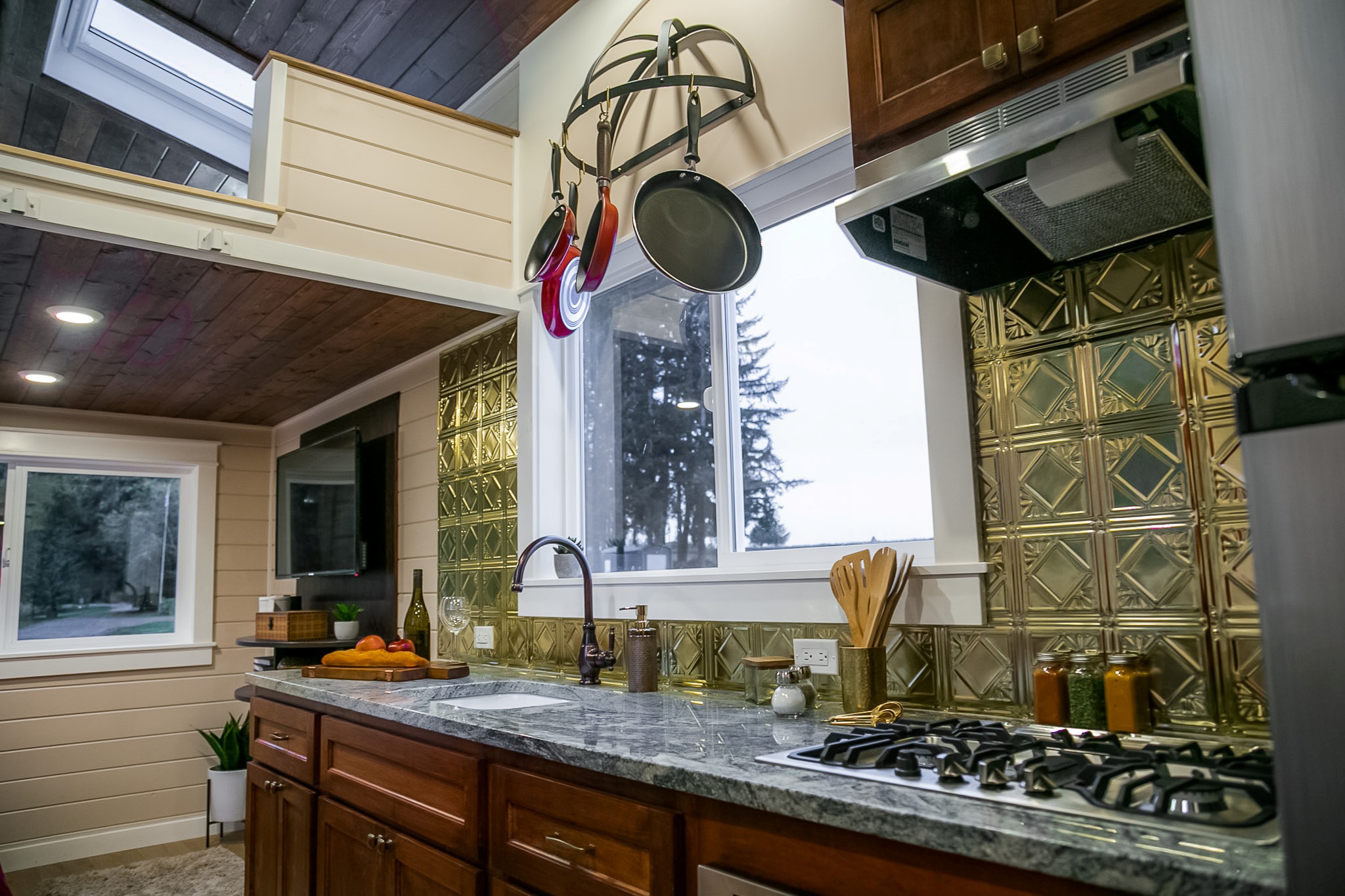
Design Details That Reduce Wear and Tear
Tiny homes that last feel intentional—because the details prevent damage before it starts.
Build “high-traffic zones” like they’re commercial spaces
Think about the places your body touches constantly:
- Entryway floors
- Stair treads
- Bathroom thresholds
- Kitchen work zones
Using more durable finishes and protective trim in these areas keeps the home looking sharp year after year.
Design for movement (especially in mobile living)
If the home will travel, vibration is a real factor. A longevity-first design accounts for:
- Secure fastening methods
- Materials and assemblies that tolerate slight movement
- Storage solutions that don’t slam and loosen
Even if you plan to park most of the time, designing for movement is still smart—because it’s essentially designing for real life.
Systems That Stay Reliable Over Time
A tiny home can be beautiful and still feel stressful if systems aren’t dependable. For a home to last 20+ years, your electrical, plumbing, heating/cooling, and ventilation need to be thoughtfully planned—and accessible when service is needed.
Make access part of the design
The most overlooked longevity feature is simple: serviceability. If a plumber has to remove a wall to reach a fitting, repairs become expensive and disruptive. A well-built custom tiny house considers where shutoffs, connections, and key components live so maintenance stays manageable.
Efficiency supports longevity
Efficient homes tend to maintain more stable indoor temperatures and humidity levels, which helps finishes and materials last longer. Good insulation, careful air sealing, and right-sized systems don’t just improve comfort—they reduce stress on the home.
Maintenance: The (Not-So-Secret) Ingredient to 20+ Years
Even a perfectly built tiny home needs routine care—just like any high-quality home. The difference is that maintenance in a tiny home is usually simpler, faster, and more budget-friendly.
A realistic tiny home longevity checklist:
- Inspect roof and sealants seasonally (especially after storms)
- Clean gutters (if installed) and check drainage paths
- Re-caulk or reseal around high-moisture zones as needed
- Watch indoor humidity and use ventilation consistently
- Address small issues immediately (tiny problems become big fast)
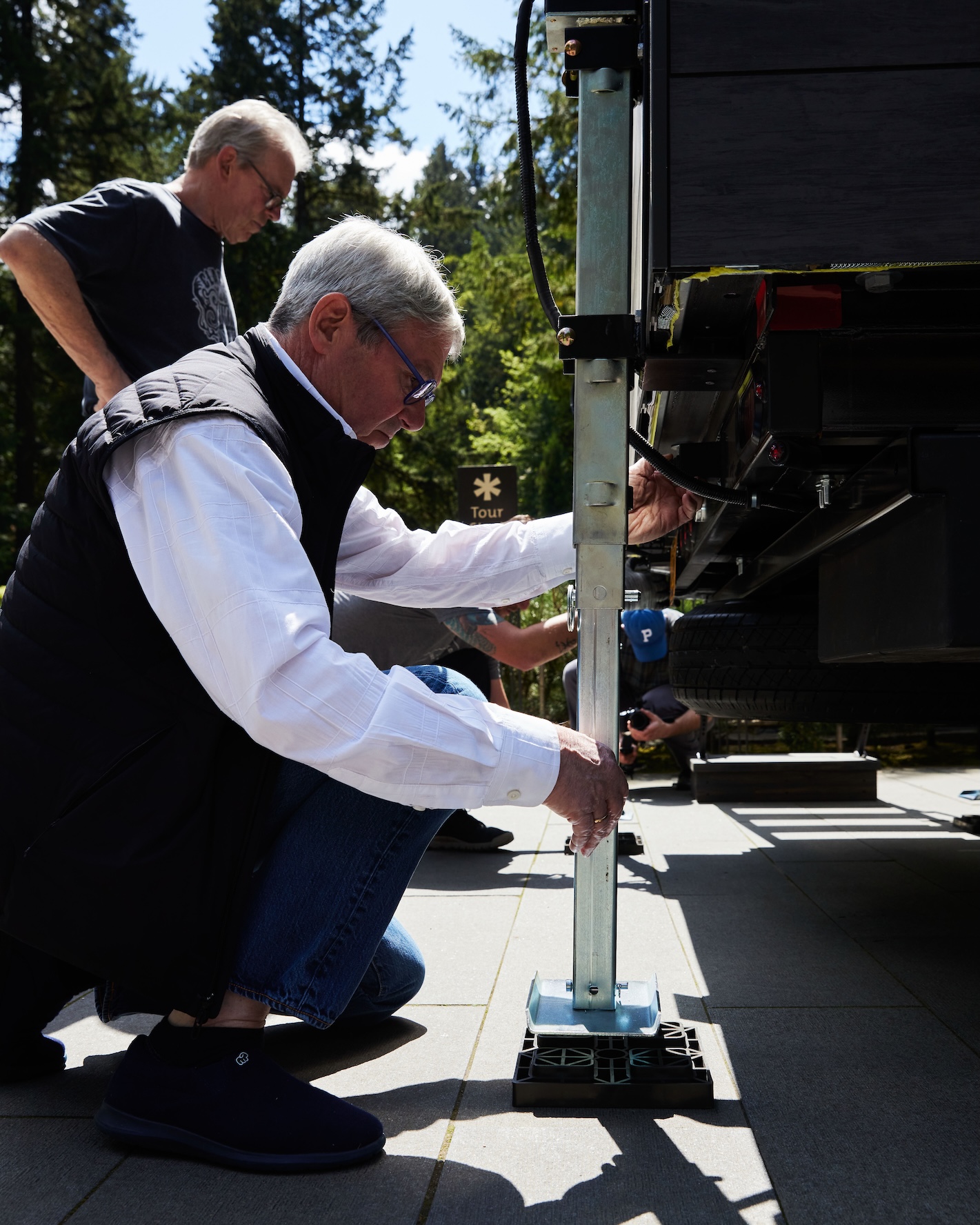
When you treat maintenance like a habit—not a reaction—you protect your investment and keep your tiny home feeling like a luxury space, not a constant project.
Why Your Tiny Home Builder Matters More Than You Think
Plenty of builds look good in photos. The homes that last 20+ years are the ones built by teams that understand structure, moisture, materials, and real-life tiny living—not just trendy layouts.
A trusted tiny home builder brings:
- Refined processes and repeatable quality
- Craftspeople who care about hidden details
- Premium materials chosen for performance, not just appearance
- A mindset that respects the tiny home community—and the responsibility that comes with building someone’s home
At Tiny Heirloom, being an early pioneer in the tiny home movement means we’ve had the time to learn what truly lasts. That experience shows up in the details you don’t see right away—but you’ll appreciate for decades.
Conclusion
Building a tiny home that lasts 20+ years isn’t about a single “magic” material or upgrade. It’s about stacking smart decisions: a time-tested blueprint, a strong trailer and structure, a carefully detailed building envelope, premium finishes that can handle real life, and systems designed for reliability and access.
And just as importantly, it’s about partnership. When your builder thinks long-term—about moisture control, durability, serviceability, and comfort—you don’t just get a tiny home that looks incredible. You get a home that keeps performing season after season, adventure after adventure.
Ready to build (or buy) a tiny home designed for the long haul? Explore our luxury tiny homes—from signature models to custom builds and pre-owned options—and find the right fit for your life. Browse Our Models
.jpg)
.jpg)
.jpg)