The tiny home movement began with a dream: to live smaller, smarter, and more sustainably. What started as a fringe idea for a few passionate pioneers has grown into a full-blown industry with TV shows, social media trends, and thousands of people reimagining what “home” can mean.
But with growth comes responsibility.
As the popularity of tiny living surges, so does the number of new builders, developers, and influencers jumping on the trend. While innovation and accessibility are welcome, not all growth is created equal. Fast expansion—without quality, integrity, or community values—can lead to homes that fail prematurely, clients who feel misled, and a movement that loses its heart.
At Tiny Heirloom, we’ve been part of the tiny home world since its earliest days. We’ve seen it evolve—and we believe the future depends on how we grow now. This blog explores what responsible growth looks like in the tiny home industry—and why it matters for homeowners, communities, and builders alike.
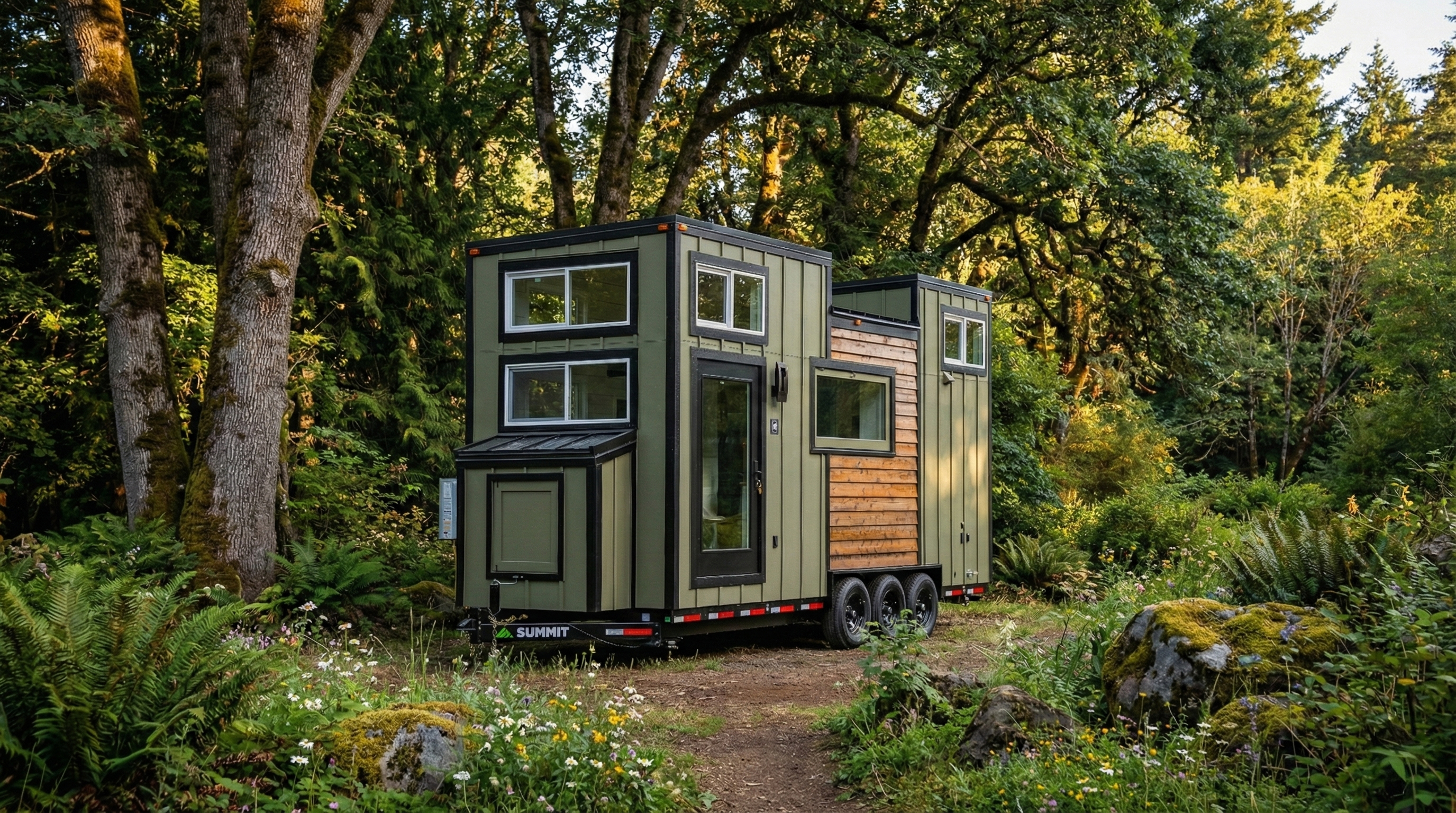
Growth in the Tiny Home Industry: A Double-Edged Sword
The Good
- Increased visibility and mainstream acceptance
- More legal zoning and development options
- Greater variety of designs, models, and price points
- Innovation in off-grid living and sustainable systems
The Challenges
- Influx of underqualified builders
- Misleading marketing or “too good to be true” pricing
- Overpromised timelines and cut corners
- Diminishing focus on quality and longevity
Responsible growth means keeping the good—and fixing the rest.
1. Build Quality Over Hype
The rise of “Instagram-ready” tiny homes has created a race to the most eye-catching layout or fastest build time. But the truth is, a tiny home isn’t just a beautiful space—it’s a system.
Responsible growth starts with craftsmanship that lasts, including:
- Time-tested framing techniques
- High-performance insulation and moisture management
- Durable materials chosen for longevity, not just looks
- Structural systems designed to withstand travel, wind, and climate
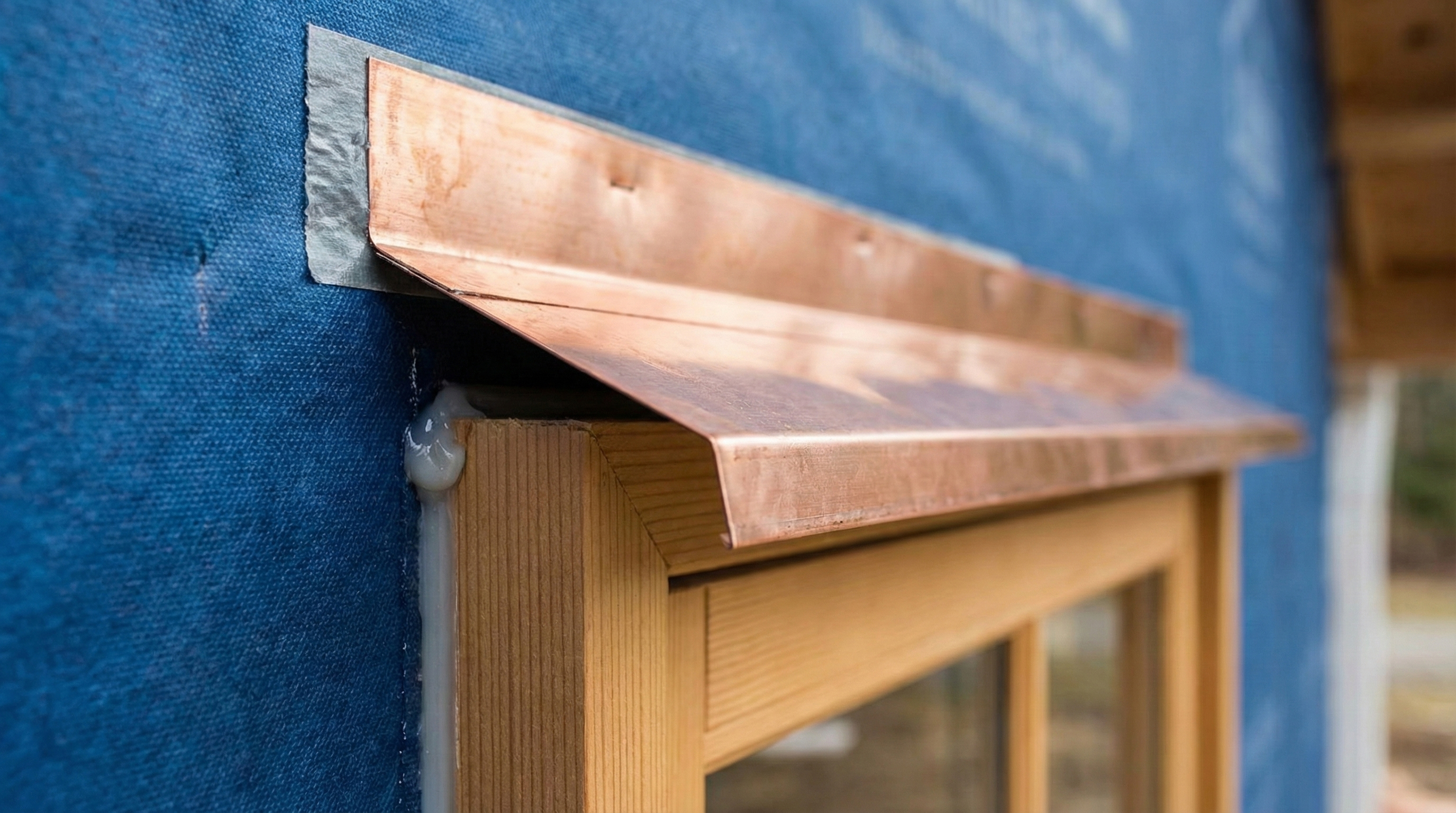
At Tiny Heirloom, we’ve always believed that the details you don’t see—the framing, the fasteners, the way walls are flashed and sealed—are what truly define a tiny home’s value over time.
2. Transparency in Pricing and Process
One of the biggest pitfalls in the fast-growing market is unclear pricing. Buyers are often lured in by a “starting at” number that excludes essentials like plumbing, appliances, or insulation.
Responsible growth demands:
- Clear scope of work documents
- Honest timelines and realistic expectations
- Educated walkthroughs of material options and trade-offs
- Integrity when it comes to delays or changes
We’ve heard from homeowners who were promised a finished home for under $40,000—only to discover it lacked running water or adequate heating. That’s not innovation. That’s misinformation.
Growth without transparency damages trust. And trust is the foundation of a resilient movement.
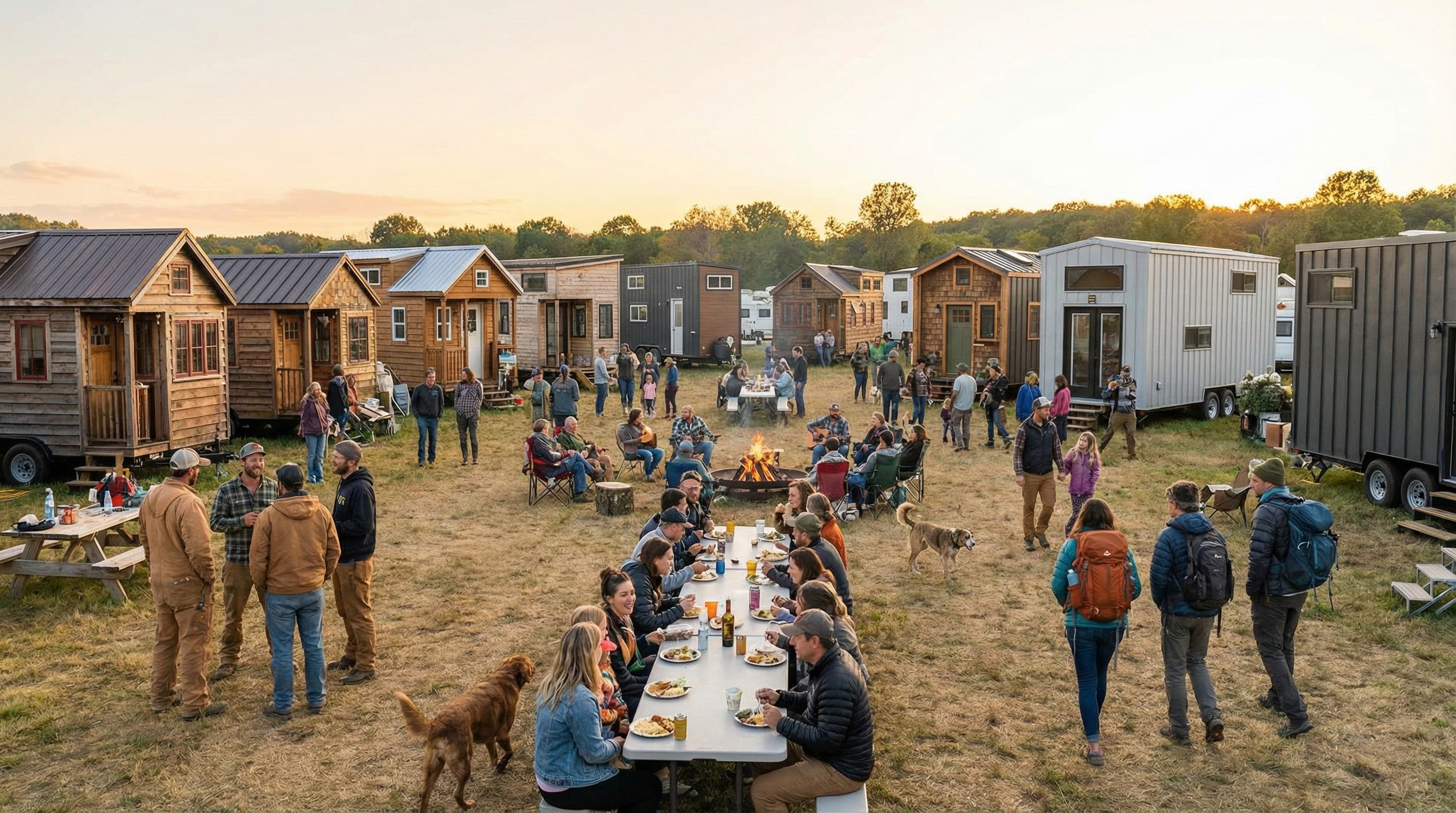
3. Respect for the Community and the Movement
Tiny living isn’t just a housing trend—it’s a values-driven lifestyle. It attracts people who care about sustainability, minimalism, mobility, and freedom.
Irresponsible growth often ignores this and prioritizes quick profits over:
- Environmental responsibility
- Community collaboration
- Long-term homeowner support
Responsible builders and developers:
- Share their learnings openly
- Invest in building codes, zoning advocacy, and sustainable practices
- Partner with customers—not just sell to them
- Contribute to the collective voice of the movement
4. Zoning and Legal Considerations
As more cities begin to allow tiny homes legally, it’s critical that builders follow proper procedures. That includes:
- Meeting building codes
- Using certified trailers or foundations
- Following fire, electrical, and plumbing safety standards
- Educating buyers on where and how to legally park or place their home
At Tiny Heirloom, we often help clients navigate complex permitting or zoning questions before a build even begins. Because if your dream home isn’t legally allowed where you want to live, that’s a costly and heartbreaking surprise.
Irresponsible builders may gloss over these concerns. Responsible ones help you plan ahead—honestly.
5. Reputation Built on Longevity, Not Volume
In any booming industry, volume can become the goal. But with tiny homes, building too fast can lead to:
- Lower-skilled labor
- Rushed projects
- Mistakes hidden behind walls
- Unhappy customers down the line
At Tiny Heirloom, we’ve intentionally kept our operation focused—not to limit growth, but to protect quality and consistency. Every home is a reflection of our craft, our care, and our commitment to our clients.
Our team is trained in both construction best practices and tiny home-specific systems like weight distribution, mobile utility access, and space-maximizing cabinetry. We’d rather grow at a sustainable pace than sacrifice what makes these homes truly liveable for the long haul.
6. Serving Diverse Needs Without One-Size-Fits-All Thinking
Responsible growth also means recognizing the wide range of people who are drawn to tiny living, including:
- Retirees downsizing for freedom
- Young professionals seeking mobility
- Families exploring sustainable alternatives
- Commercial clients needing workforce housing or short-term rental solutions
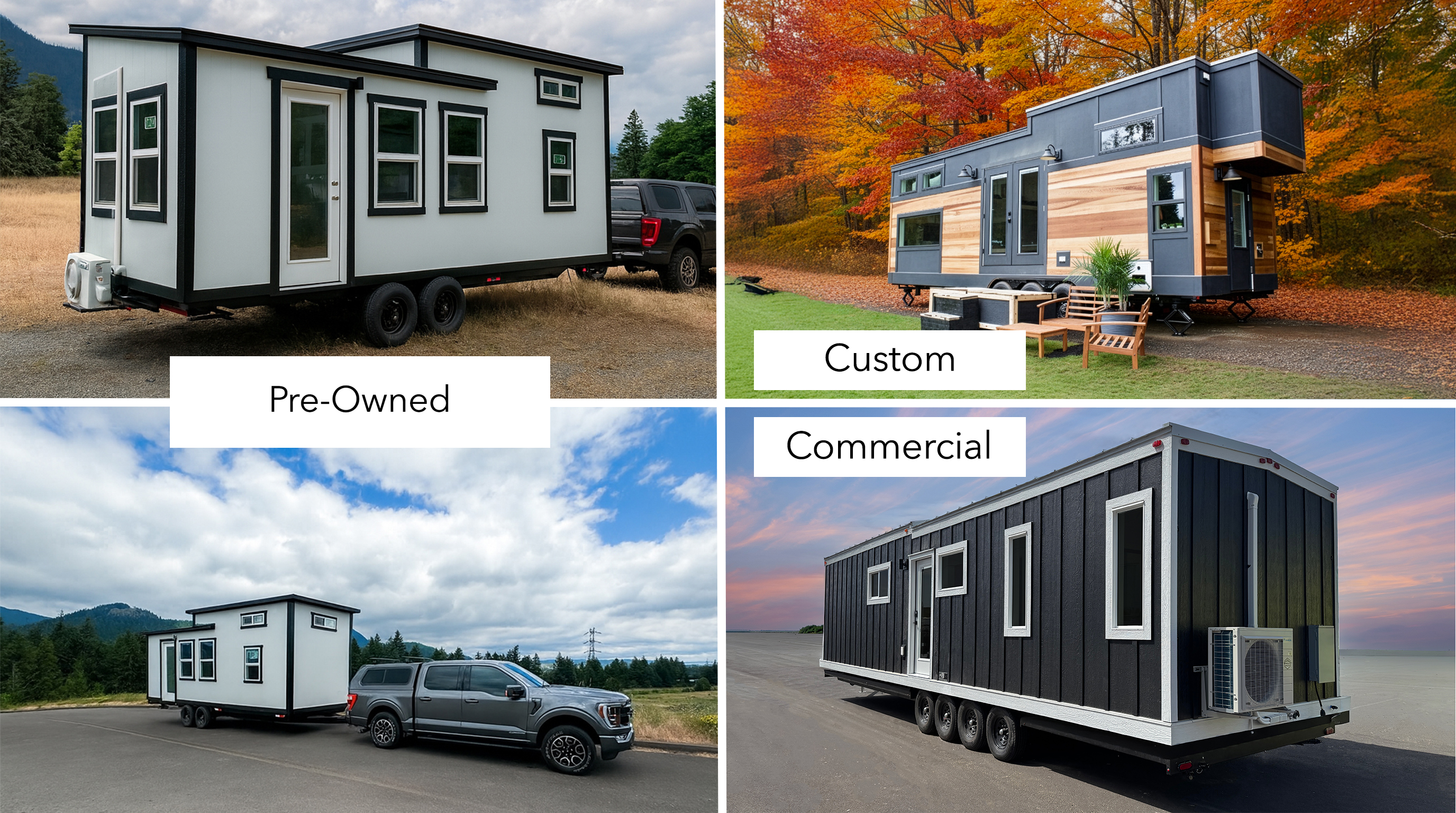
That’s why Tiny Heirloom offers:
- Signature models for fast, refined solutions
- Fully custom homes tailored to unique lifestyles
- Pre-owned homes for affordability and reuse
- Commercial solutions for resorts, employee housing, and experiential marketing
7. Supporting Homeowners After the Sale
A home—especially a mobile one—isn’t a “set it and forget it” product. Even with the highest craftsmanship, a tiny home requires:
- Seasonal inspections
- Preventative maintenance
- Occasional repairs and upgrades
The best builders don’t disappear after delivery. At Tiny Heirloom, we offer:
- Maintenance resources
- Warranty guidance
- Customer support post-purchase
Because long-term support is part of long-term success—for both homeowner and builder.
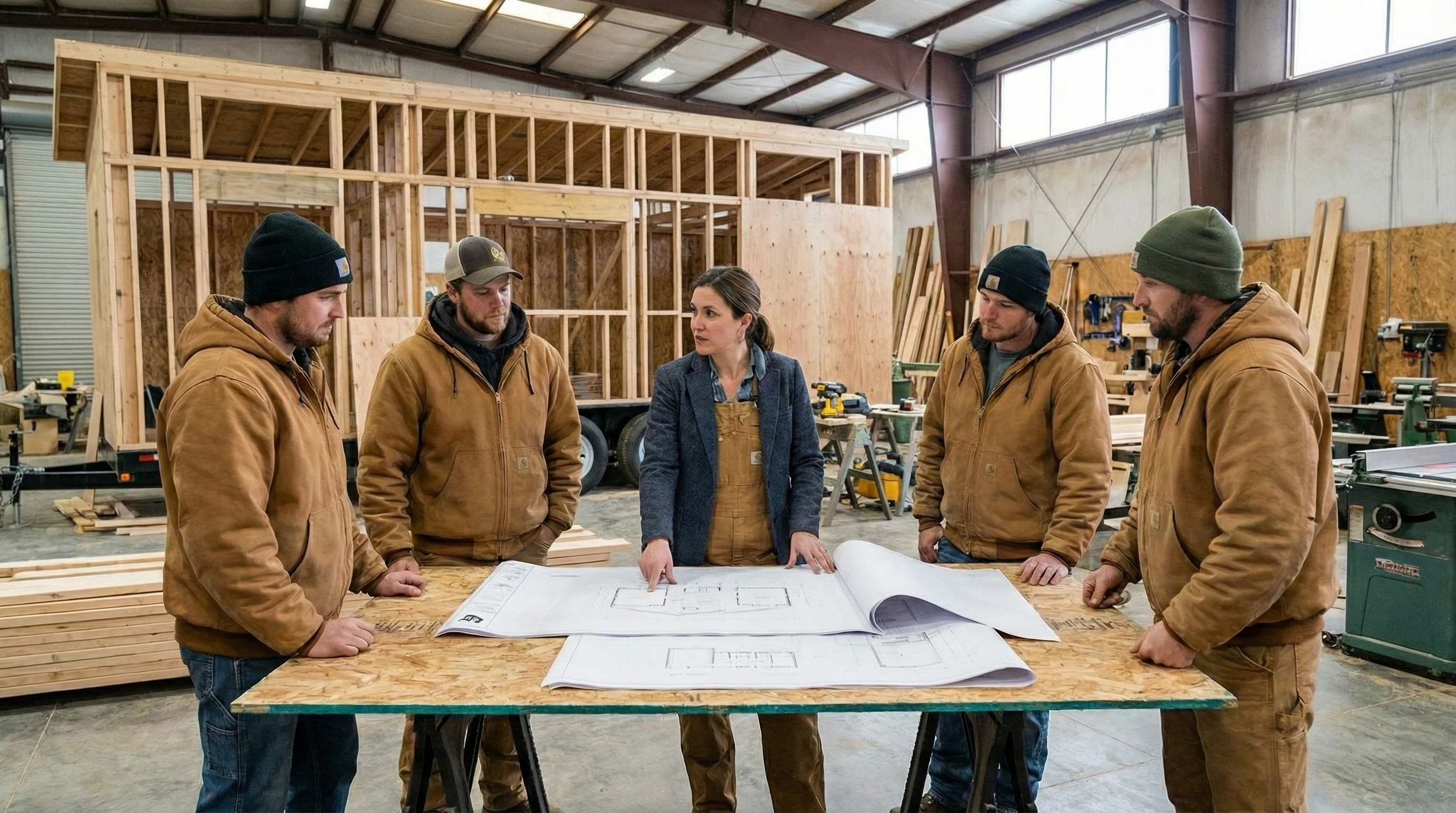
8. Learning from Mistakes, Publicly and Privately
No builder is perfect. What matters is how you respond when something goes wrong.
Responsible growth means:
- Listening to feedback, even when it’s hard
- Owning missteps
- Adjusting internal systems and team processes to prevent recurrence
- Communicating transparently with affected clients
At Tiny Heirloom, we’ve grown not just through successes—but through the lessons hard-won over a decade of real-world building. That humility fuels our progress and helps us lead with honesty.
9. Advocating for Industry Standards
As pioneers in the movement, we believe it’s our role to help shape—not just profit from—the future of tiny homes.
That’s why we support:
- Industry organizations like NOAH and Tiny Home Industry Association
- Municipal efforts to legalize tiny living
- Standards for quality, safety, and sustainability
If we want this movement to last, we need to raise the bar collectively, not cut corners individually.
Conclusion: Growing With Purpose
The tiny home industry doesn’t need to grow faster—it needs to grow better.
That means:
- Leading with craftsmanship, not just marketing
- Educating customers before selling to them
- Building trust through transparency
- Supporting each client like a long-term partner
- Contributing to a movement that is sustainable—for people, for the planet, and for the future of housing
At Tiny Heirloom, we’ve been here since the beginning. We’ve seen the trends come and go—but what’s never gone out of style is integrity.
Ready to explore tiny living for yourself?
Browse our signature models, custom builds, and pre-owned homes to find your perfect match.
👉 Browse Our Models
.jpg)
.jpg)
.jpg)